



Phone 202 303 405
Notice: Test mode is enabled. While in test mode no live donations are processed.
Dharama Foundation’s commitment to building a just, equitable, humane, and sustainable society.Through these institutions, the Foundation strives to inspire meaningful social transformation by advancing the power of education.
In the field of Education, the Foundation works extensively at the grassroots level through its Field Institutes and a wide network of partners across the country. Its core objective is to strengthen the quality and inclusiveness of the government school system, ensuring that every child has access to meaningful learning opportunities.
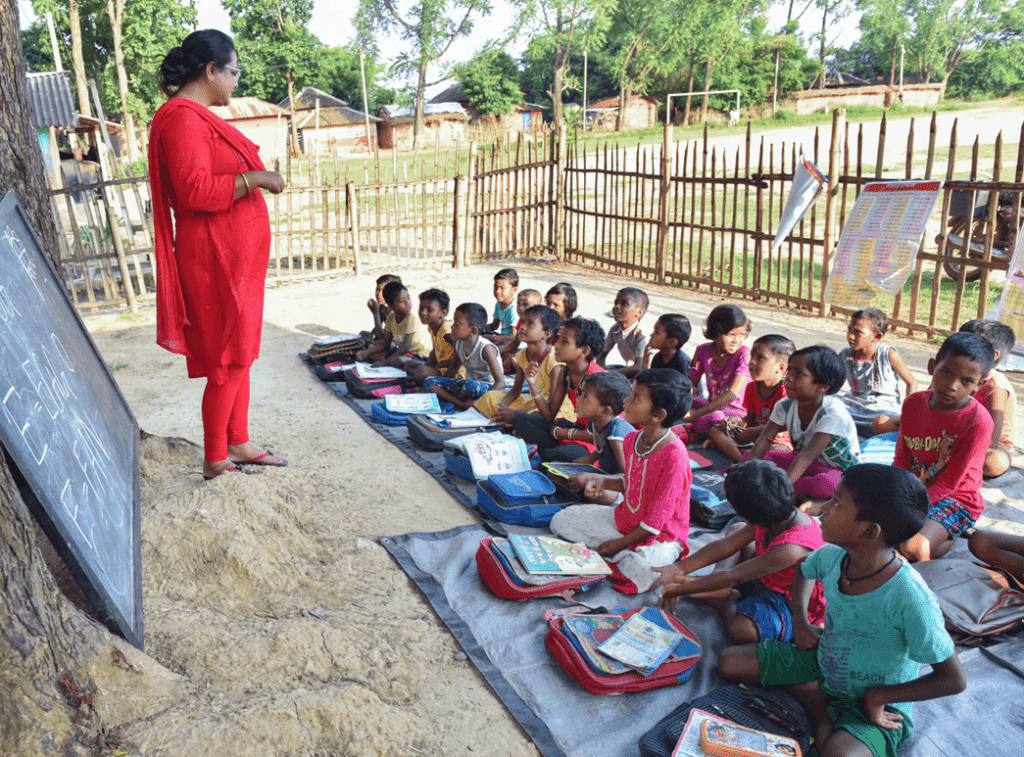
The Foundation engages closely with teachers, education department officials, and other key stakeholders within the school ecosystem. By supporting capacity building, improving teaching practices, and strengthening institutional systems, the effort ultimately aims to enable better teaching and foster improved learning outcomes for students.
The journey of Dharama Foundation began with focused interventions in school education. Over time, the Foundation expanded its approach from programmatic initiatives to a long-term institutional model by establishing Field Institutes across different regions. These institutes work closely with the government school system to strengthen education at the grassroots level.
The Foundation’s field teams engage consistently with teachers, head teachers, education officials, and other stakeholders who directly influence classroom teaching and student learning. This work is guided by a deep and evolving understanding of education developed through years of experience and engagement.

The Foundation believes that school education is one of the most significant processes in shaping both individuals and society. Education must nurture knowledge, capabilities, and values that help individuals contribute meaningfully to society. It is also understood as a deeply human and social process, where students, teachers, school leaders, and communities play a central role. Therefore, building human capacity remains at the heart of improving education systems.
Recognising that learning is influenced not only by schools but also by a child’s home environment, access to resources, nutrition, and care, the Foundation emphasises the importance of creating supportive and inclusive school cultures. Schools, therefore, must strive to bridge these gaps and provide equitable learning opportunities for every child.
Guided by these principles, the Foundation’s work spans multiple dimensions of the education system. Its contributions extend from curriculum development, examination reforms, and policy support to strengthening institutional and human capacities at every level — from Anganwadis and schools to state and national educational institutions.
Through its Field Institutes, the Foundation carries out continuous capacity-building programmes in collaboration with state and central governments. Sustained engagement with teachers, school leaders, and education functionaries helps develop their skills, perspectives, and professional practices, leading to meaningful improvements in teaching and learning.
The Schools operated by the Foundation serve as important learning spaces that provide practical insights and strengthen its broader work in school education.
The Foundation also collaborates with institutions such as District Institutes of Education and Training (DIETs), State Councils of Educational Research and Training (SCERTs), and Boards of Examinations to support large-scale capacity development initiatives. While its Field Institutes are present in six states, the Foundation actively engages with school education systems in several other states across the country.
In addition to its on-ground work, the Foundation conducts research on issues relevant to teachers, students, and the education system, and publishes these insights to encourage wider understanding, dialogue, and improvement in education.
No WhatsApp Number Found!
WhatsApp us